We're going away in January. What should we do with the water?
Answered by the column’s editors · · about 6 minutes to read
Leaving the house in winter, keep the heat at 55°F or higher, shut and drain the outdoor faucets, and either arrange daily checks on the house or close the main water valve before you go.
A January trip is when frozen pipes do their worst damage, because nobody's home to notice the first drip. A split line can run for days before anyone walks in the door.
The plan has two parts. Keep the pipes warm enough not to freeze, and limit how much water can escape if one does. Most of it takes half an hour the weekend before you leave.
How low can the thermostat go while we're away?
Not below 55°F. The American Red Cross (archived copy) and WSSC Water's Winter Ready page (archived copy) both set that as the floor for a house left empty in cold weather. Don't switch the heat off to save money; one burst pipe costs far more than a couple of weeks of heating.
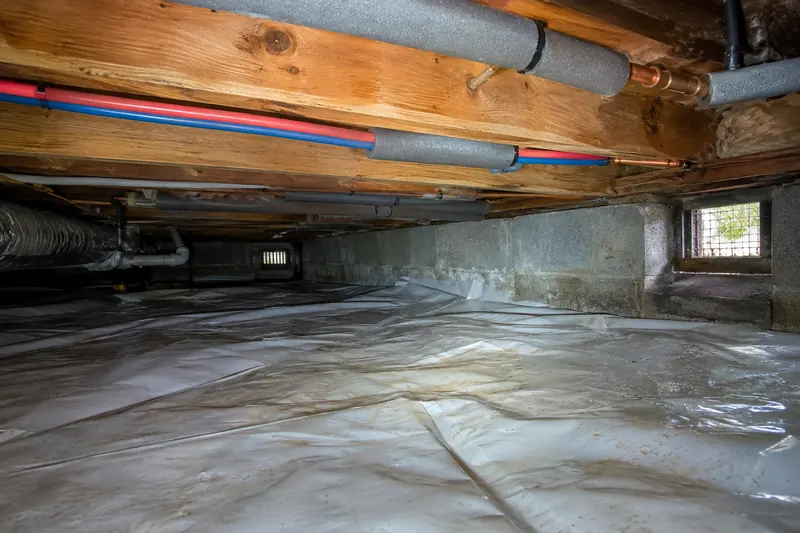
Remember that the thermostat measures the hallway, not the basement corner or the crawlspace. WSSC wants the spaces where the meter and indoor pipes sit, not just the living room, at 55°F or above. Open the sink cabinets on outside walls so room air can reach those pipes, and close the garage door if water lines run through it.
Should we shut off the main water valve?
It's a good idea for most houses. University of Illinois Extension gives two choices for an empty house in winter: have someone check every day that the heat is still on, or drain and shut off the water system, leaving any indoor fire sprinkler system alone. Closing the main doesn't stop pipes from freezing, but it limits a burst to the water already in the lines instead of a steady flow from the street.
Find the valve before the trip, and make sure it actually turns. WSSC's winter advice is to locate and operate it so you can stop the water if a pipe breaks. Old valves that haven't moved in years sometimes stick or won't close fully. If your home has a hot-water boiler or a fire sprinkler system, ask the heating contractor or sprinkler installer how the water should be left before you close anything.
Should we leave a faucet dripping while we're gone?
No. WSSC recommends a drip only while someone's home to keep an eye on it. And if you're closing the main, a dripping faucet would do nothing anyway.
What about the outdoor faucets, water heater and softener?
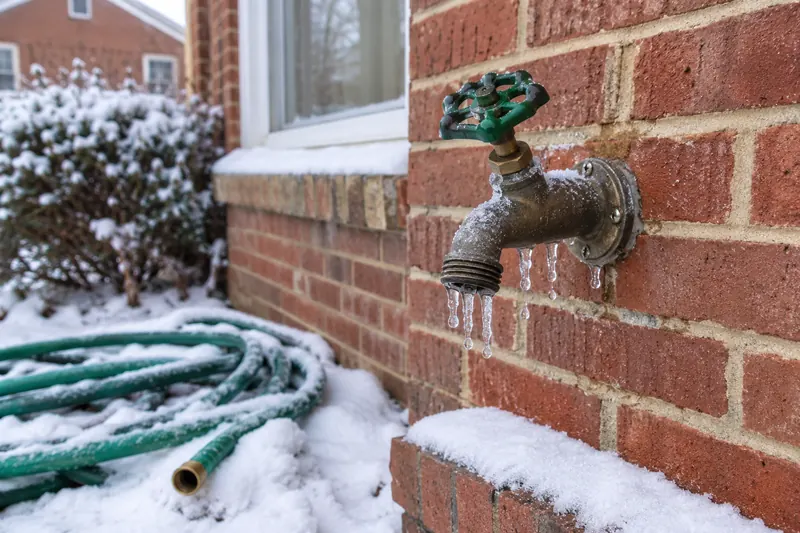
Outdoor faucets come first. Close the inside valve that feeds each one, take off the hose, and let the line drain; our page on why an outdoor faucet leaks inside the wall explains what happens if you skip this.
For the water heater, check its manual for a vacation or low setting rather than guessing. For a water softener, the main concern is cold: Pentair's Fleck manual says the softener belongs in a dry location that won't freeze, so a unit in an unheated garage or crawlspace needs extra thought.
Before you lock the door
- Set the thermostat to 55°F or higher and leave the heat on.
- Open sink cabinets on outside walls and close the garage door.
- Close the inside valves to outdoor faucets, remove hoses and drain the lines.
- Find the main shutoff, test it, and close it unless someone will check daily.
- Set the water heater per its manual and decide about the softener.
- Give a neighbor a key and show them where the main valve is.
Who should check on the house?
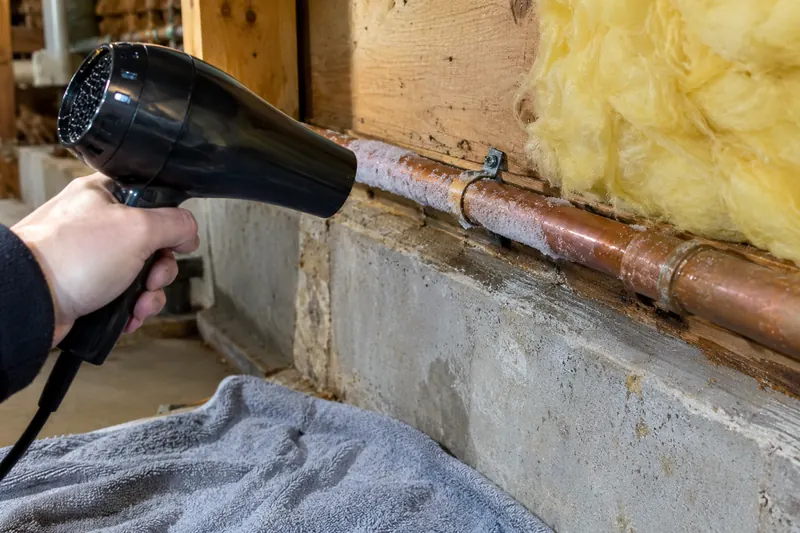
Ideally someone who can get in daily, as Illinois Extension suggests, and who knows where the shutoff is. Ask them to look in the basement too, not just the kitchen, and to call a plumber if a faucet only trickles. If they do find a frozen pipe, our safe thawing guide has the steps.
One WSSC detail worth passing on: if the meter inside the house freezes, the utility's customer FAQ (archived copy) says repair or replacement is on the owner. An outside meter that freezes is WSSC's responsibility.
| Item | Before you go | Why it matters |
|---|---|---|
| Thermostat | 55°F or higher, heat on | Red Cross and WSSC floor for an empty house |
| Main shutoff | Tested, and closed unless someone checks daily | Limits water lost if a pipe splits |
| Outdoor faucets | Inside valve closed, hose off, line drained | Stops the split-tube leak inside the wall |
| Crawlspace and garage | Doors shut, drafts blocked | Keeps cold air off exposed pipes |
| Softener | Out of freezing spots; bypass decision made | Maker wants it where it won't freeze |
Lines in a crawlspace deserve their own prep.
The bottom line
Leave the heat on at 55°F or more, drain the outdoor faucets, and either line up daily checks or close the main valve after making sure it works. Skip the dripping faucet while you're gone, and settle the water heater and softener settings before you pack.
Readers also ask
Should we drain all the pipes before a long winter trip?
Illinois Extension lists draining and shutting off the water as one option. For a long absence, have a plumber do it, since water heaters, boilers and sprinkler systems need special handling.
Is it safe to turn off the water heater while we're away?
Follow the heater's manual. Many have a vacation setting, and gas models have their own steps that the manual spells out.
What if the power goes out while we're gone?
That's the strongest argument for a daily check and a closed main, because an outage takes away the heat that protects the pipes.
Do we need to tell WSSC we're leaving?
Not for the water itself. Just remember an inside meter that freezes is the owner's to repair in WSSC territory.
Will closing the main valve hurt anything?
Usually not, but ask first if you have a boiler or fire sprinklers. Open a faucet when you return to let air out of the lines.
Where this answer comes from
- American Red Cross: heat settings when away in cold weather (archived copy)
- WSSC Water: Be Winter Ready, shutoff and thermostat tips (archived copy)
- University of Illinois Extension: Cold weather, frozen pipes?
- Pentair: Fleck 5812R SXT service manual
- WSSC Water: customer FAQ on frozen meters (archived copy)